
Okay, so check this out—I’ve been poking around Solana wallets for years now, and Phantom keeps pulling me back. Whoa! At first it felt like another shiny extension, but then I started using it day-to-day for NFTs, yield farming, and quick swaps, and my take changed. My instinct said “this is smooth,” but I wanted proof. Initially I thought the UX was just polished fluff, but after troubleshooting a few transactions and pairing a Ledger, I realized Phantom balances simplicity with the technical bits you actually need.
Seriously? Yeah. The onboarding is simple, which is a double-edged sword. Short sentence. You click install, set a password, and get your seed phrase. That speed is great—until you treat it like somethin’ disposable. Here’s what bugs me about many users: they treat seed phrases like email passwords—convenient, but not sacred. That attitude leads to trouble.
So here’s how I approach Phantom in practice: use it as your everyday browser extension for low-to-medium value interactions, connect a hardware wallet for big moves, and keep a cold backup of your seed phrase locked away. My workflow evolved over months, through small mistakes and then corrections—on one hand the extension makes DeFi feel accessible, though actually there are real concerns about site permissions and copycat phishing sites, which you should watch for carefully.
Quick practical setup (no fluff)
Whoa! First thing: only install from trusted sources. If you want the extension, use the official channel—like this one: phantom wallet download extension. Short reminder: extensions masquerading as wallets are a real thing. Hmm… My first impression was “it’s fine,” but then I saw a phishing clone trying to mimic the UI colors and layout, and that was the wake-up call. Keep the extension updated and verify publisher details in the store.
Installation takes two minutes. Medium sentence here: create a strong password, write down the 12-word seed phrase on paper (not in a screenshot), and store that paper somewhere fireproof or at least not on your phone. Longer thought: if you lose that phrase, the extension cannot help—you will not be getting your funds back, because wallet designs are intentionally permissionless and irreversible to protect users from central points of failure.
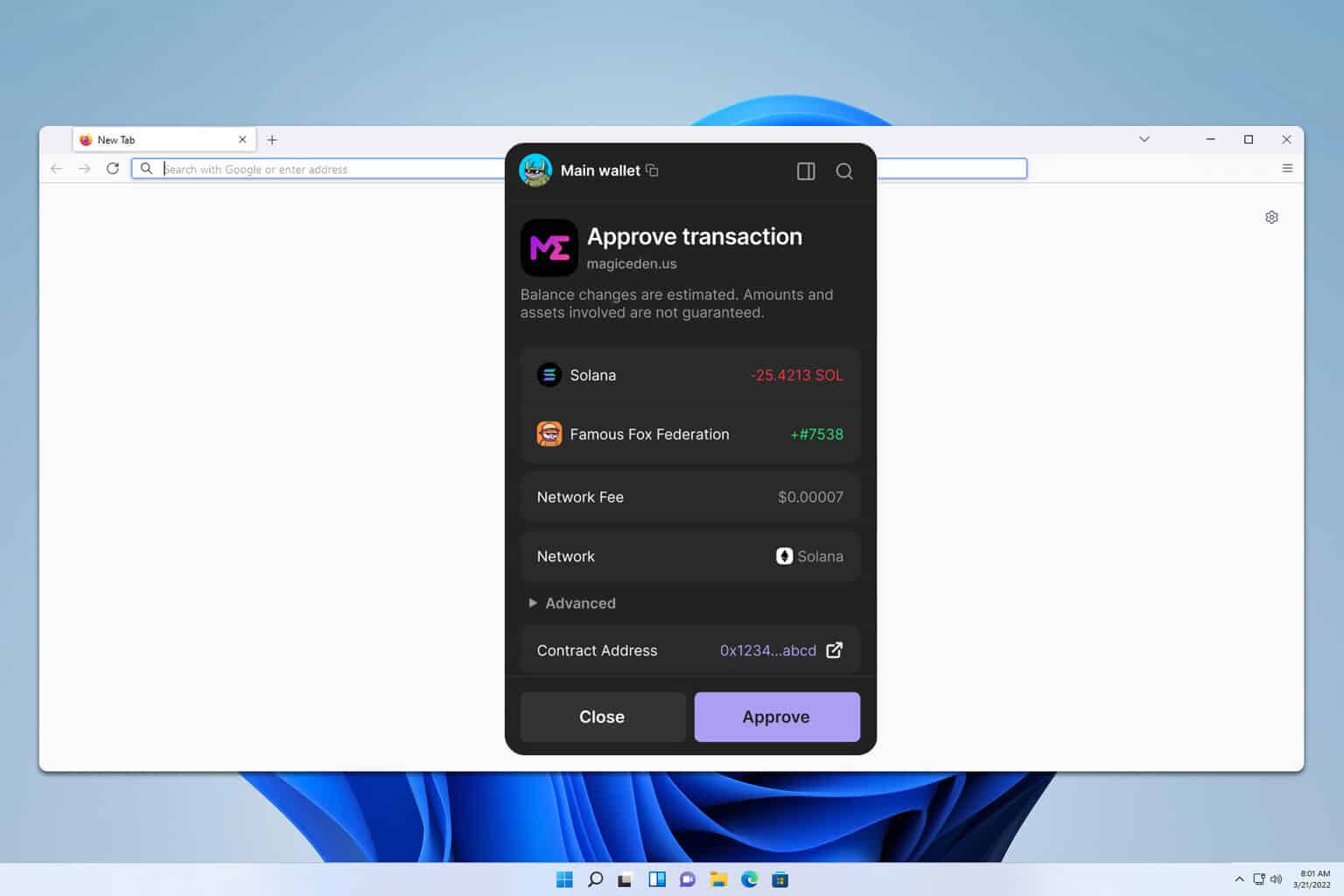
One handy tip: enable auto-lock after a short idle period and use strong OS-level security (biometrics or passcode). Another slightly nerdy tip—when connecting to dApps, check the transaction details and the accounts being requested; don’t blindly approve “all transactions” allowances unless you actually intend to give that power away, which people do, very very often.
On hardware wallets: pairing a Ledger with Phantom adds a safety layer that makes me sleep better. Initially I thought pairing was a hassle—actually, it’s worth the five extra minutes. If you deal with large sums or frequently sign transactions, a hardware wallet prevents hot-key compromises and browser-based malware from sweeping funds.
Something felt off about transaction failures early on; turns out it was often a tiny fee mismatch or a congested RPC endpoint. Solana moves fast, but sometimes the network needs a little nudge. You can change your RPC provider in Phantom settings, (oh, and by the way…) try a reliable public node if you see persistent errors.
Common pitfalls and how to avoid them
Phishing remains the biggest risk. Short check: does the URL match the dApp you expect? If something asks for your seed phrase—really, don’t give it. Seriously? Yes. Seed phrases are for recovery only. Longer explanation: some malicious sites will request you to “re-enter seed to reconnect” after an apparent disconnect. That is a red flag. On one hand some prompts are legitimate though actually most recovery attempts should be handled offline or in-app under strict prompts.
Another issue is permission creep—approving token transfers without limits can let a contract drain tokens later. Solution: set allowances conservatively, use temporary approvals, or revoke allowances after use. There are tools to check approvals; use them. I’m biased toward conservative defaults, and that shows in how I recommend using Phantom.
Performance notes: Solana’s low fees and speed make Phantom feel instantaneous, and that’s a delight. However, during spikes some ops can fail or take longer, and Phantom will show pending transactions—don’t keep clicking “send” repeatedly. Wait it out, and check the transaction on a block explorer if needed.
Also, backups. Do two backups of your seed phrase in different places. Long sentence ahead: if one backup is lost to a clogged sink or a bad roommate who thinks it’s a coupon, you still have the other, which sounds paranoid but it’s simple common sense for any self-custody setup.
Advanced tips (for people who want more control)
Use multiple Phantom wallets for compartmentalization—one for NFTs, one for trading, one for long-term HODL. Short and efficient. When interacting with DeFi, create a burner wallet for risky contracts so that your main stash remains isolated. Connect your Ledger for withdrawals or high-value trades. If you farm yield, consider a secondary account strictly for staking.
For developers or power users: Phantom supports deep-links for signing and can work with local dApp environments. If you’re building, test on devnet first and use clear UI prompts so users aren’t surprised by permission requests. Longer thought: designing UX that exposes account addresses and explains consequences reduces user mistakes and, over time, strengthens the whole ecosystem.
FAQ
Is Phantom safe for beginners?
Yes, with caveats. It’s user-friendly and widely used, but safety depends on user habits—never share your seed phrase, keep software updated, and consider a hardware wallet for significant holdings.
Can I recover my wallet if I lose my computer?
Only with your seed phrase. If you’ve written it down or stored it securely, you can restore the wallet on any compatible device. If not, there’s no central recovery option.
How do I connect my Ledger to Phantom?
Plug in your Ledger, unlock it, open the Solana app on the device, and use Phantom’s “Connect Hardware Wallet” option—follow the prompts. It takes a few extra steps but adds strong protection.
I’ll be honest—using Phantom changed how I think about everyday crypto interactions. The interface nudges good behavior, but it doesn’t force it. So if you care about safety, you have to do the lifting. My final nudge: treat your seed phrase like the key to your house—because, well, it is. Hmm… I’m not 100% done exploring every corner of Phantom (there’s always somethin’ new), but this is how I’d start, carefully and a little skeptical, and then get excited as you learn the ropes.